At the start of the pandemic, both my friends and I were overjoyed at the thought of graduating 10th grade without having to sit for our IGCSE board exams. In that enthusiasm, we overlooked the boredom that was to follow in a couple of months. I didn’t realise what it would mean to go from seeing my friends daily to having them stuck in my phone screen over a video call. Video calls started replacing in-person conversations. Take-outs replaced dine-ins. Microsoft teams (an online learning platform) replaced classrooms. Soon the excitement of extra sleep and extended vacation started to wear off, and I started noticing the adverse impact of COVID-19.
The first time I realised the downside to the lockdown was when I was forced to celebrate my 16th birthday within the confines of my house through my phone and laptop screen. I found myself on FaceTime calls throughout the day attempting to maintain some form of normalcy in my life. Expecting to go back to physical school for the 11th grade, I was shocked when I realised it would continue to be online. I would have to start attending my new school online which would only amplify the issues associated with shifting to a new school. I would have to take bigger steps to make friends and get to know my teachers. Getting opportunities to conduct activities or be a part of the student council would be an even bigger challenge. The more I thought about the way this online school system was going to my effect my mental health, the more upset I got. Finally, I convinced myself that even though I didn’t have it easy, no one did, especially not the people we heard of in the news.
While we had the privilege of online learning platforms, not many were as lucky. We started to hear of how students struggled to obtain stable wi-fi connections to attend classes and how they were forced to work to minimize losses for their families.
Simultaneously, my helper asked me and my mother to help her guide her child on what career path to pursue after 10th grade. I realised that the pandemic had put a stop to all academic advancements and schools’ career days had been cancelled. A rising 11th grader myself, I understood the importance of having some degree of career guidance in my life and set out to figure out how I could provide those who were losing out in these unprecedented times with the required information.
One thing was clear. It couldn’t be a live event because that would defeat the purpose. It needed to be static, easily accessible and still maintain human contact. A website seemed like an ideal choice. I decided to replace career day talks with recorded interviews to maintain the human aspect of a career day and assembled a website that provided additional features like an interest/aptitude test and additional information about the next steps to follow. I reached out to a couple of friends to help me streamline the idea, come up with a name (we settled on Project Sapna), and split up the work.
I made sure to include a variety of career options - skilled, unskilled and semi-skilled. I made a list with conventional career paths, like doctor and lawyer, and unconventional career paths, like a physiotherapist, hotel management and flight attendants. I ensured that there were careers that may have been conventionally looked at as hobbies like dance, make-up artistry and music. The careers soon started covering a wide variety of fields that may be unheard of to some, for example, entrepreneurship, fashion design and event management.
Over the months, the team grew and so did our website. As we conducted interviews, we heard lots of kind words from our interviewees commending us on the initiative which not only encouraged us but also confirmed that we had channelled our boredom and frustration into something worthwhile.
Over the months, the project started growing towards completion and we had a website running (projectsapna.org) and a couple of videos ready. After working rigorously throughout 2020, we had a beta version ready to test with a pilot. For our pilot, we had to conduct a demo session where we walked through our website and showcased the different features we’d developed. After giving the students a couple of days to explore the website, we took their and their teachers’ feedback and incorporated it into our website. We started working towards trying to make the experience as seamless and smooth as possible for the students. We added a chatbot, converted the interest form to an aptitude test, improved the readability of the website, and added elaborate explanations for everything. Currently, we’re working towards the next launch with the updated website containing a majority of the videos to finalise the website and ensure that the process is as comprehendible for children as possible. Following this, we look forward to talking to the children and understanding if they found the website useful. Hopefully, we will be able to take one thing off their chest during these trying times while helping ourselves by keeping us distracted.
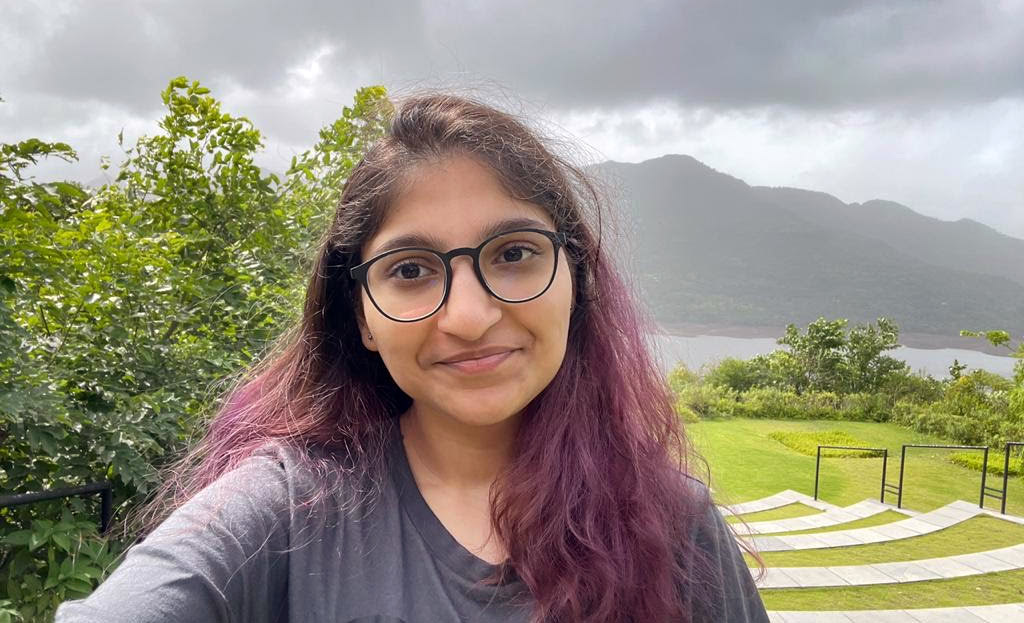
Ananya Agarwal is a 17-year-old studying in grade 12 at Dhirubhai Ambani International School, Mumbai
Kids, are you missing school? Yearning for playtime and play dates? If you are under 18 and have a story to share about what all you did during the lockdown, please write in and share your story with arts, poems, music, at: covidtales19@gmail.com